
Tintin Painting WhatsApp us
Blog / Finishes

Microcement in Singapore Homes: The Real Pros and Cons Before You Renovate

Tintin Painting · 8 min read
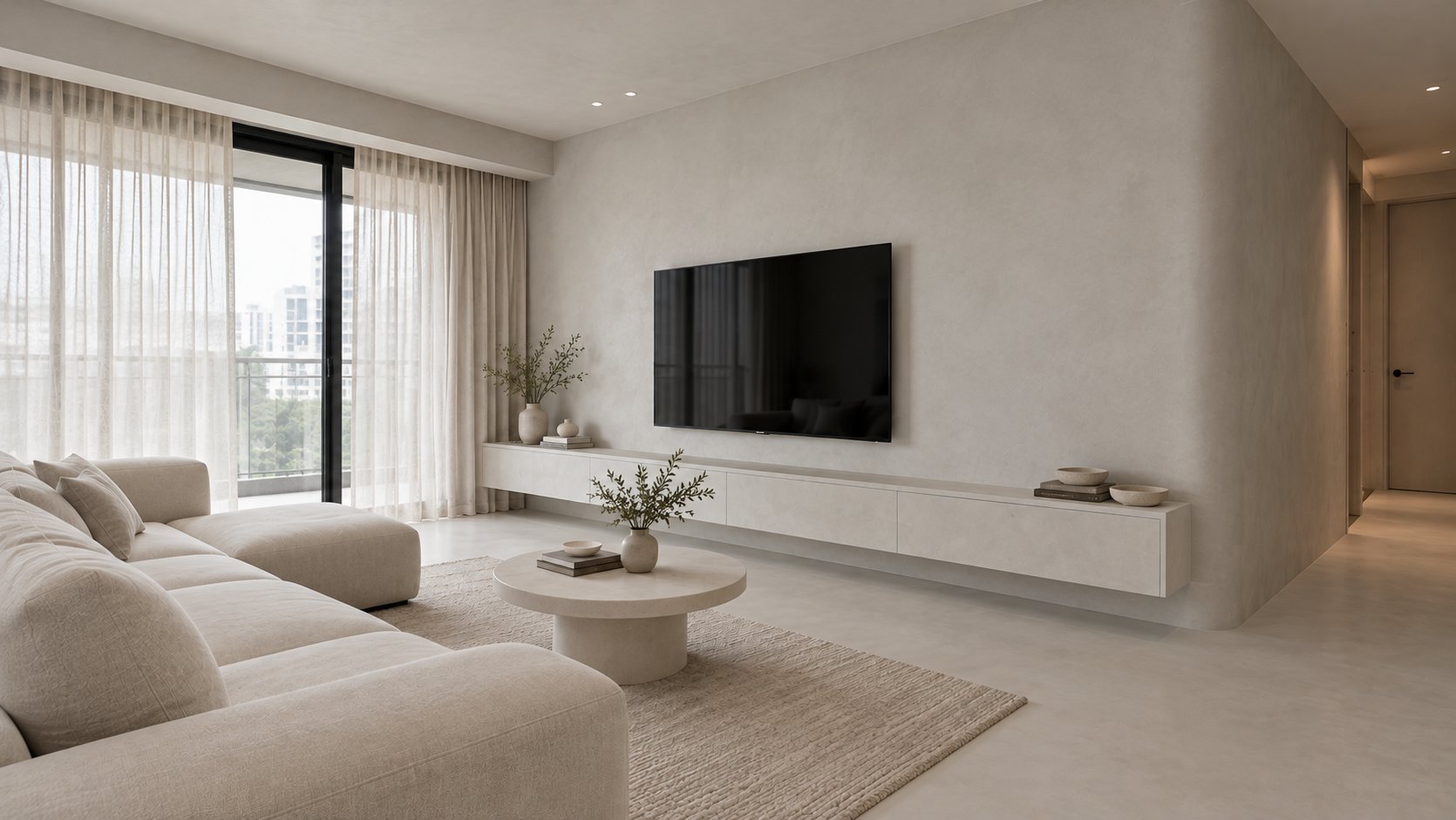
Seamless microcement finish in a modern Singapore home

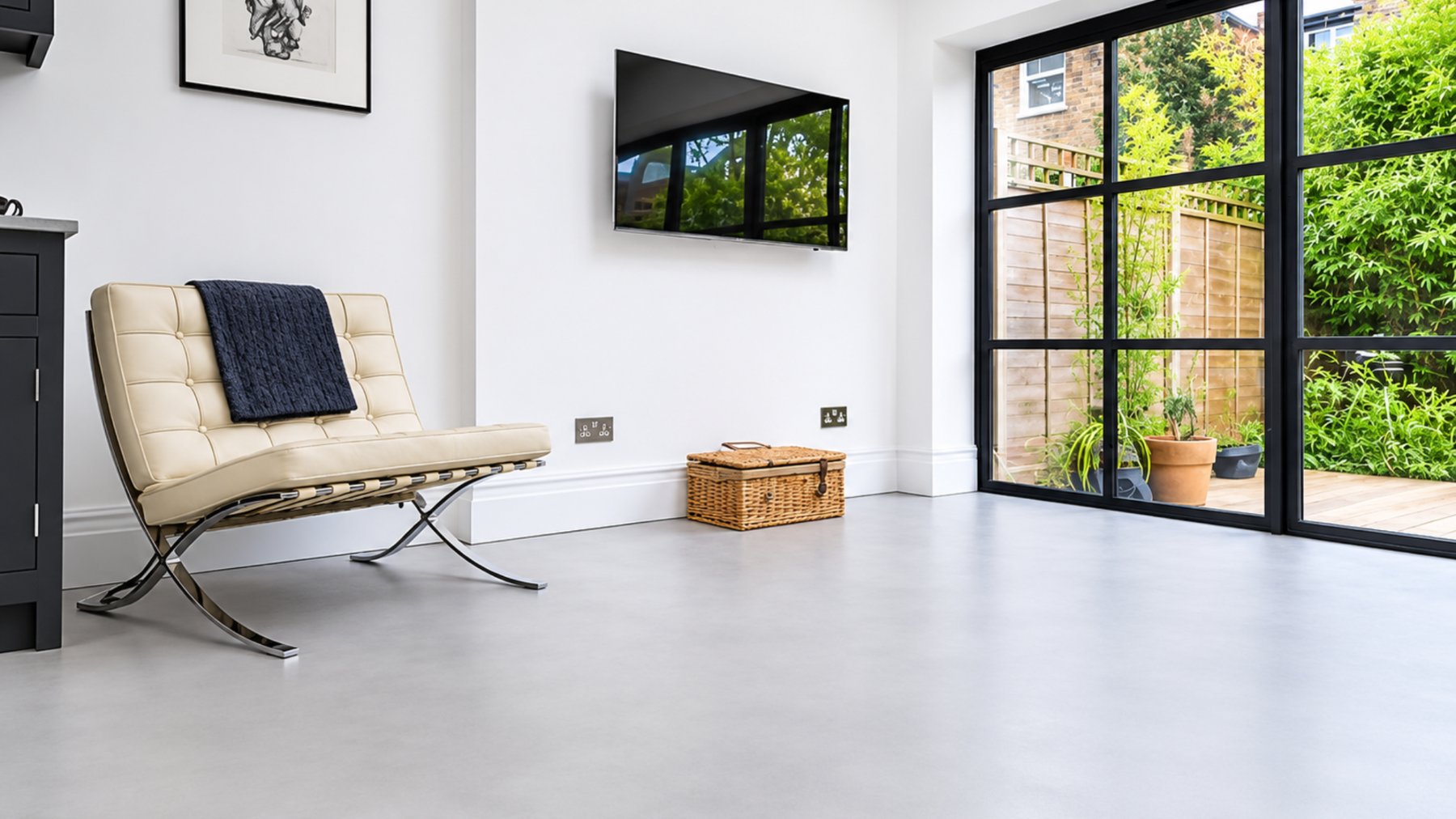
Microcement flooring Singapore homeowners see online looks effortless: one smooth surface, no grout lines, and a soft concrete tone running from the living room to the bathroom. However, Microcement flooring in Singapore needs to be considered carefully, especially when it comes to humidity, daily wear and maintenance. A photo won’t tell you how it copes with a humid week or a dropped pot. At Tintin Painting, we’ve talked with many owners who loved the look and still had doubts. So here’s an honest rundown of what works, what doesn’t, and who should think twice.

What Microcement Actually Is

Microcement is a thin, cement-based coating, usually just 2 to 3mm thick. It’s trowelled on in layers, sealed, and finished by hand. No two floors come out identical. That’s part of its charm, and part of the risk.

The Pros

1. It Makes Spaces Feel Bigger and Calmer

Tiles chop a floor into pieces. Microcement doesn’t. In a compact flat or a long landed-home living area, one continuous surface keeps the eye moving and the room feels quieter.

2. It Can Go Over Existing Tiles

Because the coat is so thin, it can often be applied over sound, well-bonded tiles. That means no hacking, less dust and fewer complaints from neighbours. It also avoids disturbing the waterproofing underneath, which matters in older homes.

3. Fewer Grout Lines, Easier Cleaning

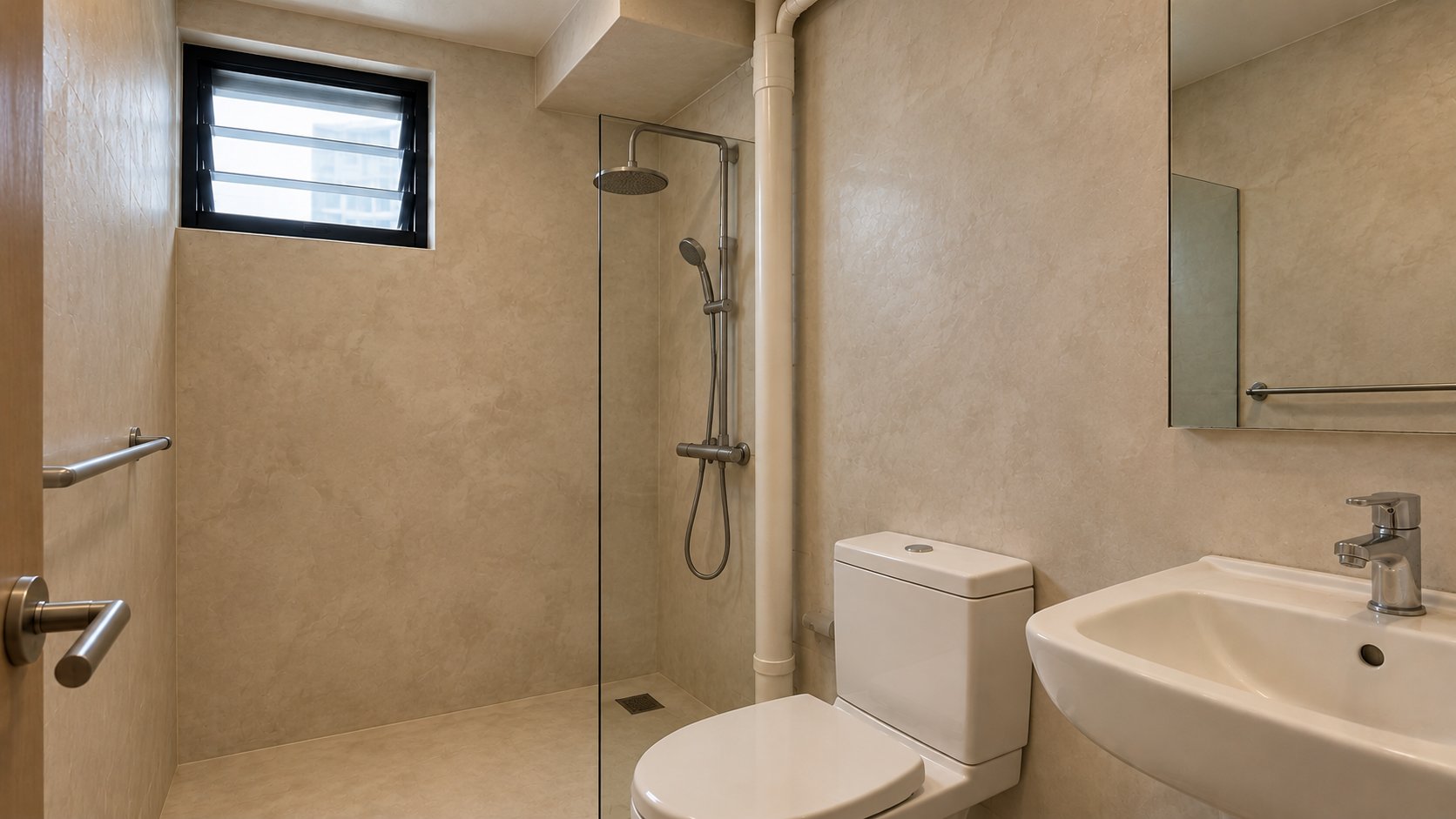
Grout is where dirt and mould like to settle, especially in bathrooms. With no grout, a damp mop does most of the job.

4. It Works Beyond the Floor

Walls, stairs, vanity tops and countertops can all get the same finish, giving your home a connected look.

The Cons

1. It Can Develop Hairline Cracks

Microcement is not crack-proof. If the surface underneath moves, the coating can show it. Good prep reduces the risk, but nobody should promise you a floor that never cracks.

2. It Depends Heavily on the Installer

The same material can look stunning or patchy depending on who applies it.

3. Why Very Cheap Quotes Worry Us

Skipped prep, thin coats and rushed sealing save money on day one and cost far more later. If one quote is much lower than the rest, ask what’s been left out.

4. It Isn’t the Cheapest Option

Compared with basic ceramic tiles, microcement usually costs more because of the labour and curing stages involved.

5. The Sealer Needs Looking After

Harsh cleaners and heavy scrubbing wear the sealer down. Many floors need a refresh coat every few years. It’s manageable, but it is ongoing care.

How It Fits Your Home Type

1. HDB Flats

The overlay method is the big draw: no hacking, shorter disruption, and a modern look in smaller rooms. The catch is the condition of what’s underneath. Hollow tiles or old leaks need fixing first, and bathrooms need careful checking of the waterproofing.

2. Condos

Management rules on noise and working hours make low-disruption work appealing. Microcement suits condo living areas and feature walls well, and the seamless look matches the clean style many condo owners want. Always check your management’s renovation guidelines before you book.

3. Landed Homes

Bigger floor areas mean greater visual impact, and microcement can flow seamlessly from the living room to stairs and even covered outdoor spaces. Larger spans also require careful planning for movement joints, sunlight, rain and foot traffic. Planning the layout early makes a real difference, so consider booking a free site visit with Tintin Painting to discuss the space and find the right approach.

Is Microcement Right for You?

It Suits You If

  • You like a seamless, modern look and accept natural variation in a hand-finished surface
  • You want to renovate without hacking existing tiles
  • You’re happy to follow simple cleaning habits

You Might Want to Skip It If

  • You want a surface that’s completely maintenance-free
  • Your floor has known movement, hollow tiles or ongoing leaks
  • Your budget only stretches to the lowest quote

Why Homeowners Choose Tintin Painting

As a painting company in Singapore homeowners can call for HDB flats, condos and landed homes, we treat microcement as a finish that needs patience. We inspect the surface first, tell you plainly if it isn’t ready, and explain the care routine before we leave. If another finish suits your space better, we’ll say so. A straight answer beats an unhappy floor.

Frequently Asked Questions

Is microcement waterproof?

Not on its own. The sealer makes it water-resistant, and wet areas need proper waterproofing underneath.

Can microcement be used in HDB bathrooms?

Often yes, but it depends on the condition of the existing tiles and waterproofing. A site visit is the only reliable way to know.

How long does it last?

With good prep and sensible care, many owners get years of use from it. High-traffic areas may need a fresh sealer sooner.

Does it feel cold or hard underfoot?

It feels like smooth concrete, so slightly firm. Rugs in bedrooms and living areas add comfort.

Will it crack?

Hairline cracks can happen, especially if the base moves. Proper preparation lowers the chance, though no installer can rule it out.

How do I clean it?

Use a soft mop and a pH-neutral cleaner. Avoid bleach, acid-based products and abrasive pads.

Still weighing microcement for your Singapore home? WhatsApp us a photo of the space. We’ll tell you honestly whether it suits the surface, then come down for a free site visit.

WhatsApp Us
Keep reading.

All articles →
Tintin Painting

Microcement in Singapore Homes: The Real Pros and Cons Before You Renovate

Tintin Painting · 8 min read
Seamless microcement finish in a modern Singapore home
In this article+

Microcement flooring Singapore homeowners see online looks effortless: one smooth surface, no grout lines, and a soft concrete tone running from the living room to the bathroom. However, Microcement flooring in Singapore needs to be considered carefully, especially when it comes to humidity, daily wear and maintenance. A photo won’t tell you how it copes with a humid week or a dropped pot. At Tintin Painting, we’ve talked with many owners who loved the look and still had doubts. So here’s an honest rundown of what works, what doesn’t, and who should think twice.

What Microcement Actually Is

Microcement is a thin, cement-based coating, usually just 2 to 3mm thick. It’s trowelled on in layers, sealed, and finished by hand. No two floors come out identical. That’s part of its charm, and part of the risk.

The Pros

1. It Makes Spaces Feel Bigger and Calmer

Tiles chop a floor into pieces. Microcement doesn’t. In a compact flat or a long landed-home living area, one continuous surface keeps the eye moving and the room feels quieter.

2. It Can Go Over Existing Tiles

Because the coat is so thin, it can often be applied over sound, well-bonded tiles. That means no hacking, less dust and fewer complaints from neighbours. It also avoids disturbing the waterproofing underneath, which matters in older homes.

3. Fewer Grout Lines, Easier Cleaning

Grout is where dirt and mould like to settle, especially in bathrooms. With no grout, a damp mop does most of the job.

4. It Works Beyond the Floor

Walls, stairs, vanity tops and countertops can all get the same finish, giving your home a connected look.

The Cons

1. It Can Develop Hairline Cracks

Microcement is not crack-proof. If the surface underneath moves, the coating can show it. Good prep reduces the risk, but nobody should promise you a floor that never cracks.

2. It Depends Heavily on the Installer

The same material can look stunning or patchy depending on who applies it.

3. Why Very Cheap Quotes Worry Us

Skipped prep, thin coats and rushed sealing save money on day one and cost far more later. If one quote is much lower than the rest, ask what’s been left out.

4. It Isn’t the Cheapest Option

Compared with basic ceramic tiles, microcement usually costs more because of the labour and curing stages involved.

5. The Sealer Needs Looking After

Harsh cleaners and heavy scrubbing wear the sealer down. Many floors need a refresh coat every few years. It’s manageable, but it is ongoing care.

How It Fits Your Home Type

1. HDB Flats

The overlay method is the big draw: no hacking, shorter disruption, and a modern look in smaller rooms. The catch is the condition of what’s underneath. Hollow tiles or old leaks need fixing first, and bathrooms need careful checking of the waterproofing.

2. Condos

Management rules on noise and working hours make low-disruption work appealing. Microcement suits condo living areas and feature walls well, and the seamless look matches the clean style many condo owners want. Always check your management’s renovation guidelines before you book.

3. Landed Homes

Bigger floor areas mean greater visual impact, and microcement can flow seamlessly from the living room to stairs and even covered outdoor spaces. Larger spans also require careful planning for movement joints, sunlight, rain and foot traffic. Planning the layout early makes a real difference, so consider booking a free site visit with Tintin Painting to discuss the space and find the right approach.

Is Microcement Right for You?

It Suits You If

  • You like a seamless, modern look and accept natural variation in a hand-finished surface
  • You want to renovate without hacking existing tiles
  • You’re happy to follow simple cleaning habits

You Might Want to Skip It If

  • You want a surface that’s completely maintenance-free
  • Your floor has known movement, hollow tiles or ongoing leaks
  • Your budget only stretches to the lowest quote

Why Homeowners Choose Tintin Painting

As a painting company in Singapore homeowners can call for HDB flats, condos and landed homes, we treat microcement as a finish that needs patience. We inspect the surface first, tell you plainly if it isn’t ready, and explain the care routine before we leave. If another finish suits your space better, we’ll say so. A straight answer beats an unhappy floor.

Frequently Asked Questions

Is microcement waterproof?

Not on its own. The sealer makes it water-resistant, and wet areas need proper waterproofing underneath.

Can microcement be used in HDB bathrooms?

Often yes, but it depends on the condition of the existing tiles and waterproofing. A site visit is the only reliable way to know.

How long does it last?

With good prep and sensible care, many owners get years of use from it. High-traffic areas may need a fresh sealer sooner.

Does it feel cold or hard underfoot?

It feels like smooth concrete, so slightly firm. Rugs in bedrooms and living areas add comfort.

Will it crack?

Hairline cracks can happen, especially if the base moves. Proper preparation lowers the chance, though no installer can rule it out.

How do I clean it?

Use a soft mop and a pH-neutral cleaner. Avoid bleach, acid-based products and abrasive pads.

Still weighing microcement for your Singapore home? WhatsApp us a photo of the space. We’ll tell you honestly whether it suits the surface, then come down for a free site visit.

WhatsApp Us
Keep reading.

All articles
Tintin Painting

Microcement in Singapore Homes: The Real Pros and Cons Before You Renovate

Tintin Painting · 8 min read
Seamless microcement finish in a modern Singapore home
In this article+

Microcement flooring Singapore homeowners see online looks effortless: one smooth surface, no grout lines, and a soft concrete tone running from the living room to the bathroom. However, Microcement flooring in Singapore needs to be considered carefully, especially when it comes to humidity, daily wear and maintenance. A photo won’t tell you how it copes with a humid week or a dropped pot. At Tintin Painting, we’ve talked with many owners who loved the look and still had doubts. So here’s an honest rundown of what works, what doesn’t, and who should think twice.

What Microcement Actually Is

Microcement is a thin, cement-based coating, usually just 2 to 3mm thick. It’s trowelled on in layers, sealed, and finished by hand. No two floors come out identical. That’s part of its charm, and part of the risk.

The Pros

1. It Makes Spaces Feel Bigger and Calmer

Tiles chop a floor into pieces. Microcement doesn’t. In a compact flat or a long landed-home living area, one continuous surface keeps the eye moving and the room feels quieter.

2. It Can Go Over Existing Tiles

Because the coat is so thin, it can often be applied over sound, well-bonded tiles. That means no hacking, less dust and fewer complaints from neighbours. It also avoids disturbing the waterproofing underneath, which matters in older homes.

3. Fewer Grout Lines, Easier Cleaning

Grout is where dirt and mould like to settle, especially in bathrooms. With no grout, a damp mop does most of the job.

4. It Works Beyond the Floor

Walls, stairs, vanity tops and countertops can all get the same finish, giving your home a connected look.

The Cons

1. It Can Develop Hairline Cracks

Microcement is not crack-proof. If the surface underneath moves, the coating can show it. Good prep reduces the risk, but nobody should promise you a floor that never cracks.

2. It Depends Heavily on the Installer

The same material can look stunning or patchy depending on who applies it.

3. Why Very Cheap Quotes Worry Us

Skipped prep, thin coats and rushed sealing save money on day one and cost far more later. If one quote is much lower than the rest, ask what’s been left out.

4. It Isn’t the Cheapest Option

Compared with basic ceramic tiles, microcement usually costs more because of the labour and curing stages involved.

5. The Sealer Needs Looking After

Harsh cleaners and heavy scrubbing wear the sealer down. Many floors need a refresh coat every few years. It’s manageable, but it is ongoing care.

How It Fits Your Home Type

1. HDB Flats

The overlay method is the big draw: no hacking, shorter disruption, and a modern look in smaller rooms. The catch is the condition of what’s underneath. Hollow tiles or old leaks need fixing first, and bathrooms need careful checking of the waterproofing.

2. Condos

Management rules on noise and working hours make low-disruption work appealing. Microcement suits condo living areas and feature walls well, and the seamless look matches the clean style many condo owners want. Always check your management’s renovation guidelines before you book.

3. Landed Homes

Bigger floor areas mean greater visual impact, and microcement can flow seamlessly from the living room to stairs and even covered outdoor spaces. Larger spans also require careful planning for movement joints, sunlight, rain and foot traffic. Planning the layout early makes a real difference, so consider booking a free site visit with Tintin Painting to discuss the space and find the right approach.

Is Microcement Right for You?

It Suits You If

  • You like a seamless, modern look and accept natural variation in a hand-finished surface
  • You want to renovate without hacking existing tiles
  • You’re happy to follow simple cleaning habits

You Might Want to Skip It If

  • You want a surface that’s completely maintenance-free
  • Your floor has known movement, hollow tiles or ongoing leaks
  • Your budget only stretches to the lowest quote

Why Homeowners Choose Tintin Painting

As a painting company in Singapore homeowners can call for HDB flats, condos and landed homes, we treat microcement as a finish that needs patience. We inspect the surface first, tell you plainly if it isn’t ready, and explain the care routine before we leave. If another finish suits your space better, we’ll say so. A straight answer beats an unhappy floor.

Frequently Asked Questions

Is microcement waterproof?

Not on its own. The sealer makes it water-resistant, and wet areas need proper waterproofing underneath.

Can microcement be used in HDB bathrooms?

Often yes, but it depends on the condition of the existing tiles and waterproofing. A site visit is the only reliable way to know.

How long does it last?

With good prep and sensible care, many owners get years of use from it. High-traffic areas may need a fresh sealer sooner.

Does it feel cold or hard underfoot?

It feels like smooth concrete, so slightly firm. Rugs in bedrooms and living areas add comfort.

Will it crack?

Hairline cracks can happen, especially if the base moves. Proper preparation lowers the chance, though no installer can rule it out.

How do I clean it?

Use a soft mop and a pH-neutral cleaner. Avoid bleach, acid-based products and abrasive pads.

Still weighing microcement for your Singapore home? WhatsApp us a photo of the space. We’ll tell you honestly whether it suits the surface, then come down for a free site visit.

WhatsApp Us

Keep reading.

All articles