Microcement vs Tiles: Which Is Better for Singapore Homes?
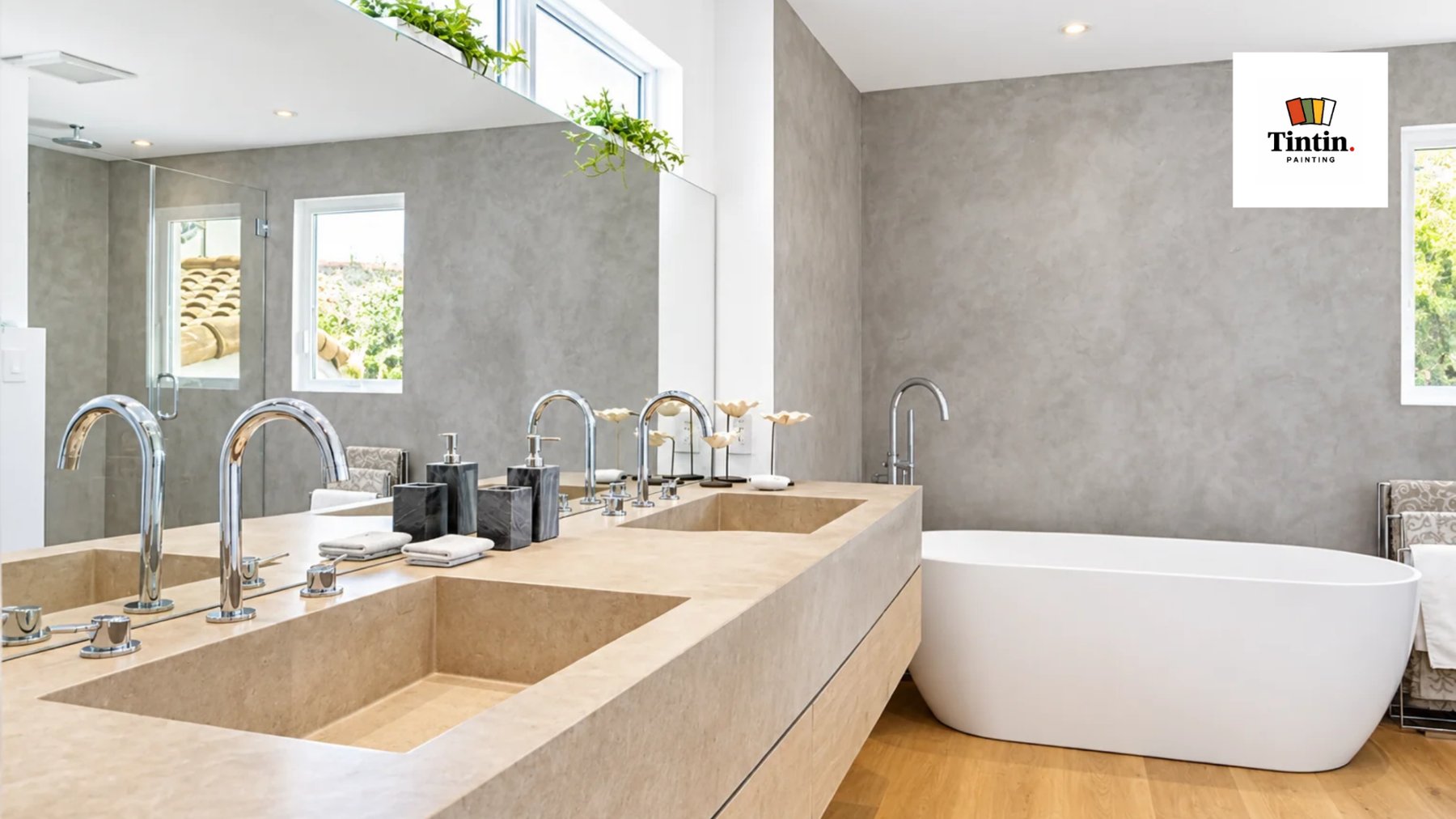
Choosing between microcement and tiles can be tricky, especially when you're renovating an existing home. Both offer different advantages in terms of appearance, maintenance and cost.
Microcement is known for its seamless, contemporary finish and can be applied over suitable existing surfaces. Tiles, on the other hand, offer a wider selection of patterns, materials and finishes.
So, which one makes more sense for your home? In this guide, Tintin Painting compares microcement and tiles to help Singapore homeowners make an informed decision.
What Is Microcement?
Microcement is a thin, cement-based decorative coating made with fine aggregates, polymers and pigments. It is applied in multiple layers to create a continuous finish without visible grout lines.
Typically applied at around 2–3 mm thick, microcement adds very little height to existing surfaces. Depending on the system and application technique, it can achieve anything from a smooth, understated finish to a more natural, textured look.
Microcement can be used on floors, walls, stairs, bathrooms and kitchen backsplashes. Some systems can also be applied over existing tiles, provided the original surface is stable and properly prepared.
If you'd like to understand more about the material, application process and what to consider before installing it, read our guide to microcement in Singapore.
Microcement vs Tiles: Key Differences
| Comparison | Microcement | Tiles |
|---|---|---|
| Appearance | Seamless finish with no grout lines | Visible grout lines and joints |
| Design options | Customisable colours and textures | Wide range of colours, patterns and materials |
| Mould and dirt | No grout lines where dirt and grime can accumulate; certain systems offer antibacterial properties | Grout lines can collect dirt and develop mould over time |
| Waterproofing | Suitable for wet areas with the appropriate waterproofing system | Suitable for wet areas with the appropriate waterproofing system |
| Thickness | Typically around 2–3 mm | Varies depending on tile and adhesive thickness |
| Existing surfaces | Can be applied over suitable existing tiles | Can be replaced or overlaid, depending on site conditions |
| Repairs | Repairs may be harder to blend seamlessly | Individual damaged tiles can often be replaced |
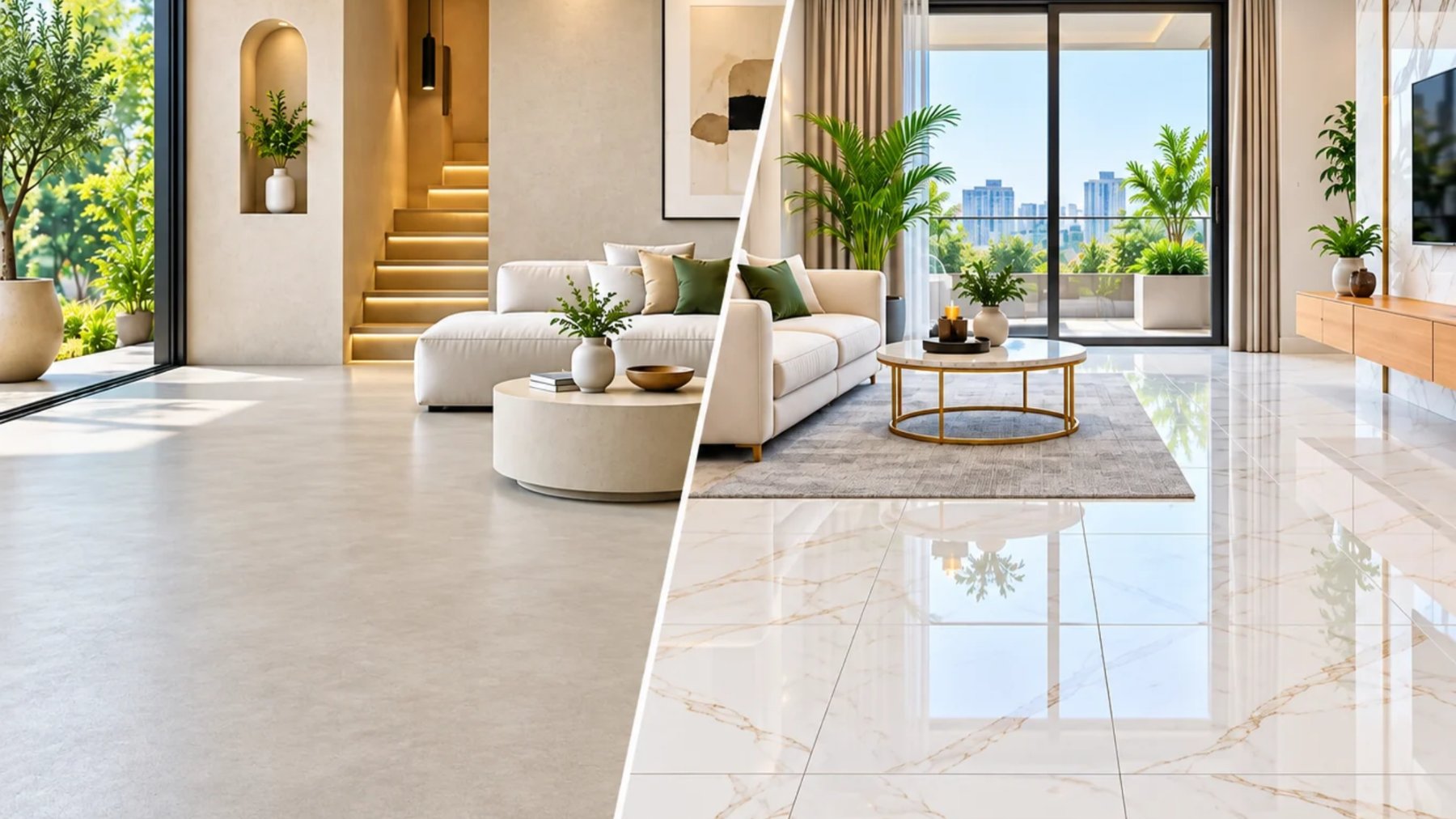
Microcement is ideal if you prefer a seamless, minimalist finish, while tiles offer more variety in patterns, materials and decorative designs.
Which Is More Affordable: Microcement or Tiles?
Microcement can be a cost-effective option for homeowners renovating existing spaces, particularly when applied over suitable existing tiles.
At around 2–3 mm thick, microcement adds minimal height to the existing floor, avoiding extensive hacking and reducing the risk of affecting bathroom floor levels and door clearances.
With tile overlay, the additional thickness of the new tiles and adhesive can affect the bathroom drop and door clearance, potentially requiring further adjustments.
Alternatively, hacking and replacing existing tiles involves additional costs for demolition, debris disposal, surface preparation, waterproofing and installing the new tiles.
By comparison, microcement overlay can reduce the amount of renovation work required, making it a practical and potentially more cost-effective alternative.
The final cost depends on the existing surface condition and preparation required.
At Tintin Painting, we work with different microcement systems and finishes to help homeowners find a suitable solution for their renovation needs while highlighting the Benefits of Microcement for Modern Homes, including its seamless appearance, durability, versatility, and easy maintenance.
Which Is More Durable and Easier to Maintain?
Both microcement and tiles can be durable when installed correctly.
1. Microcement
Microcement creates a continuous surface without grout joints, leaving fewer places for dirt and grime to accumulate. Certain microcement systems also offer antibacterial properties.
Routine cleaning and proper care are still required to maintain the finish.
2. Tiles
Tiles are durable and relatively easy to clean. However, grout lines can collect dirt, become discoloured and develop mould over time, especially in bathrooms.
Is Microcement Suitable for Bathrooms and Kitchens?
Yes. Both microcement and tiles are suitable for bathrooms and kitchens when installed with the appropriate waterproofing system.
Microcement offers a seamless, contemporary finish for floors and walls, while tiles provide more variety in designs and slip-resistant finishes. The choice comes down to your preferred look and the requirements of your space.
How to Choose Between Microcement and Tiles
The right choice depends on your preferred design, renovation budget and existing surface.
Choose microcement if you:
- Prefer a seamless, minimalist finish.
- Want to renovate over suitable existing tiles.
- Prefer a thin finish that adds minimal floor height.
- Like customisable colours and textures.
Choose tiles if you:
- Prefer a wider selection of patterns and materials.
- Want the option to replace individual damaged tiles.
- Are looking for specific tile designs or finishes.
Whichever option you choose, make sure the contractor has experience with the material and understands the preparation and installation requirements.
At Tintin Painting, we're experienced in working with a wide range of microcement systems and finishes. We can recommend a suitable system based on your preferred look, existing surfaces and renovation needs.
Find out more about our microcement services.
Frequently Asked Questions
Is microcement better than tiles?
It depends on your priorities. Microcement is ideal if you prefer a seamless, minimalist finish with minimal added thickness. Tiles offer more variety in patterns, materials and designs, and individual damaged tiles can often be replaced.
Is microcement cheaper than tiles?
Generally, microcement can be more cost-effective when renovating an existing space, especially when it can be applied over existing tiles without hacking. Its thin application can also help minimise additional work associated with raising floor levels.
Can microcement be applied over existing tiles?
Yes, microcement can be applied over existing tiles, provided they are firmly bonded, stable and properly prepared. Loose or damaged tiles and other surface issues must be addressed before application.
Is microcement waterproof for bathrooms?
Microcement is suitable for bathrooms when the appropriate system and waterproofing layer are properly installed. The coating should not be treated as a replacement for the underlying waterproofing.
Is microcement easier to maintain than tiles?
Microcement has no grout lines, so there are fewer places for dirt and grime to accumulate. Tiles are also relatively easy to clean, but their grout lines may need more regular attention.
Can microcement crack?
Yes, microcement can crack if the underlying surface moves, is unstable or is not properly prepared. Correct surface preparation and application are important in reducing this risk.
Is microcement suitable for HDB bathrooms?
It can be suitable for HDB bathrooms, provided the correct system and waterproofing requirements are followed. Homeowners should also check the latest HDB renovation guidelines before starting work.
How do I choose a reliable microcement contractor?
Look for a contractor with experience working with different microcement systems. Ask to see completed projects, understand the preparation and application process, and clarify what materials and protective sealers will be used.
Can microcement be used on both floors and walls?
Yes. Depending on the system, microcement can be applied to floors, walls, stairs, bathrooms and kitchen backsplashes. Some systems may also be suitable for selected countertops.
Conclusion
Microcement and tiles both have their advantages. Tiles offer a wider selection of designs and materials, while microcement provides a seamless, contemporary finish with minimal added thickness.
For homeowners renovating an existing space, microcement can be a cost-effective alternative, particularly when it can be applied over existing tiles without extensive hacking.
Ultimately, the right choice depends on your preferred look, existing surfaces and overall renovation budget.
If you're considering microcement for your home, get in touch with Tintin Painting to explore the different finishes and find a suitable option for your space.
Not sure whether microcement or tiles suits your renovation? WhatsApp us a photo of the space. We'll tell you honestly which option makes more sense, then come down for a free site visit.
WhatsApp Us