How to Choose Limewash and Textured Paint for Your Home
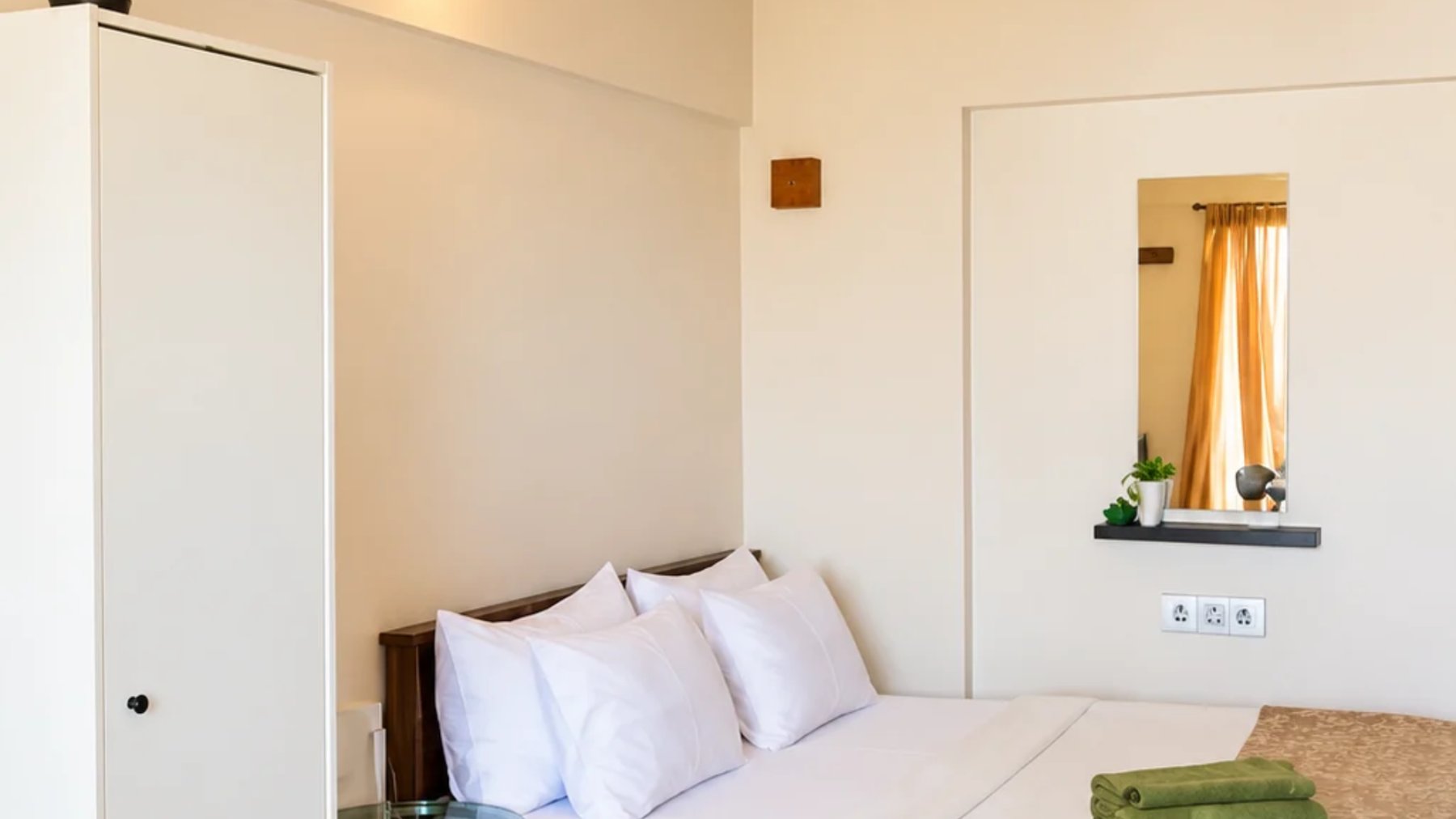
Plain paint is fine. But if you want walls with a bit of soul, limewash and textured paint are hard to beat.
In this guide, we explain how to choose limewash and textured paint for your home, including the best rooms for each finish, colour selection, surface preparation and practical considerations for Singapore homes.
What Is Limewash?
Limewash is a mineral-based finish made from lime and pigments. It's soft, matte and a little cloudy, with natural colour variations that shift with the light.
It's perfect for calm, natural interiors like Japandi, Mediterranean and minimalist homes. The trade-off is that it can be more delicate than washable paint, so think about how much wear the wall will get.
What Is Textured Paint?
Textured paint adds depth you can see and feel. Depending on the product and technique, it can be subtle and soft, stone-like, or bold and sculptural.
It's great for feature walls that need to stand out, and textured wall paint in Singapore is a popular choice for homes with contemporary and industrial styles. Durability and washability vary by product, so ask which finish is most suitable for your room.
Limewash vs Textured Paint
| Limewash | Textured paint | |
|---|---|---|
| Look | Soft, cloudy, natural | Ranges from subtle to bold |
| Best for | Japandi, Mediterranean, organic styles | Contemporary, industrial, statement walls |
| Maintenance | Needs gentler cleaning | Depends on texture and coating |
How to Choose
- Start with your style. Japandi and Mediterranean homes suit warm limewash shades like beige, sand and soft grey. Industrial spaces suit stronger textures and concrete-inspired finishes. For minimalist homes, either works, depending on how much impact you want.
- Decide how bold you want to go. Want calm and understated? Go limewash. Want the wall to be the star? Try a stronger texture. If you're unsure, start with just one feature wall.
- Check your wall first. Decorative finishes can make cracks and uneven plaster more obvious, especially in side lighting. Damp patches, peeling paint and leaks must be fixed before any finish goes on.
- Think about daily use. A bedroom headboard wall is very different from a busy hallway with kids and pets. Some limewash can mark when scrubbed, and deep textures can collect dust.
Which Rooms Suit These Finishes?
- 1. Living room and TV wall. The best place to start. Limewash gives a soft backdrop, while texture adds more definition.
- 2. Bedroom. A limewash headboard wall in warm beige or taupe feels calm without extra décor.
- 3. Dining area and entryway. Great for setting the tone of your home, but choose a finish that handles scuffs.
- 4. Home office. A subtle finish looks good in person and on video calls.
- 5. Bathrooms and kitchens. Be careful here. Splashes, steam and grease mean standard limewash isn't automatically suitable. Choose a system made for those conditions.
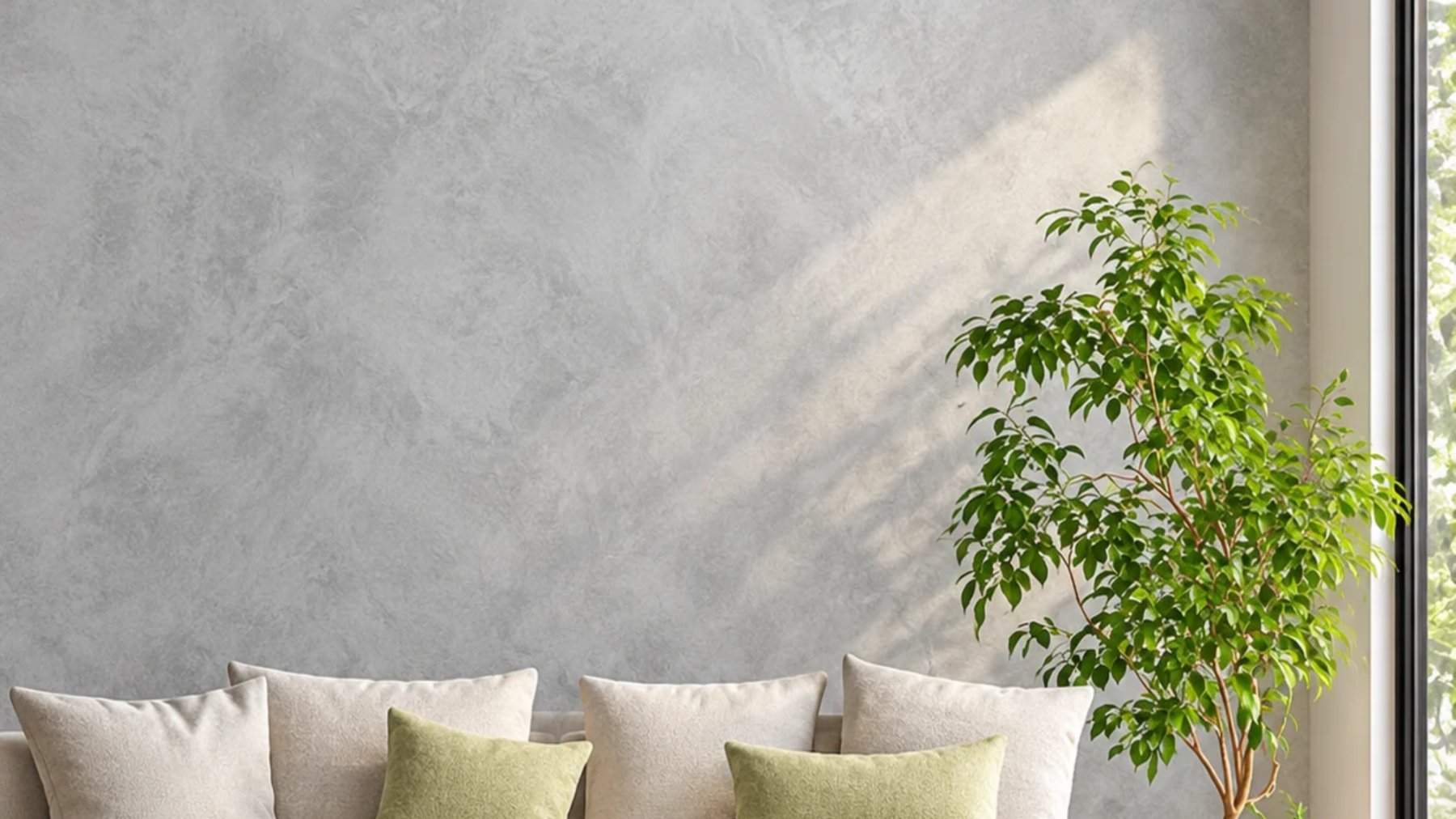
Picking Colour and Texture
Take your cue from your furniture and flooring. Warm woods go well with beige, cream and taupe, while cooler floors suit grey tones.
Most importantly, test samples on your actual wall and look at them at different times of day. Colours can change a lot between a showroom and your home.
In smaller rooms, a lighter colour with a subtle finish is usually safer. Bigger rooms can handle stronger texture.
Singapore Tips
Our humid weather makes wall conditions especially important. When considering Is Limewash Paint Worth It, remember to check for recurring mould, water stains or peeling paint and fix the underlying cause first. Decorative paint cannot solve seepage problems or moisture damage.
Preparation also matters. Good prep means cleaning, filling cracks, repairing plaster and priming, so the finish looks even and lasts.
Mistakes to Avoid
- Choosing from photos alone, since lighting changes everything
- Ignoring cleaning and maintenance needs
- Applying over damaged or damp walls
- Using the same finish in every room
- Not agreeing on the expected look with your painter beforehand
Ready to Update Your Walls?
At Tintin Painting, we can help you pick a finish, colour and texture that suits your home. Browse our limewash and textured finishes service in Singapore or get in touch for a consultation.
Frequently Asked Questions
Limewash or textured paint: which should I choose?
Go limewash for a soft, matte look with natural colour variation. Go textured for a more pronounced decorative effect.
Is limewash easy to maintain?
It depends on the product and any protective coating. Many finishes need gentler cleaning than regular paint.
Does textured paint hide wall imperfections?
Some textures can soften minor flaws, but they won't repair cracks, damaged plaster or dampness.
Can I use limewash in a bathroom or kitchen?
Be careful. Standard limewash isn't automatically suitable for wet or greasy areas, so ask for a system designed for them.
Which finish is best for a living room feature wall?
Both work. Limewash suits soft, natural interiors, and textured paint suits a more defined statement.
Ready to update your walls? WhatsApp us a photo of your wall. We'll help you pick limewash or textured paint, colour and texture that suit your home.
WhatsApp Us