Is Limewash High Maintenance? A Textured Wall Paint Singapore Owner's Guide
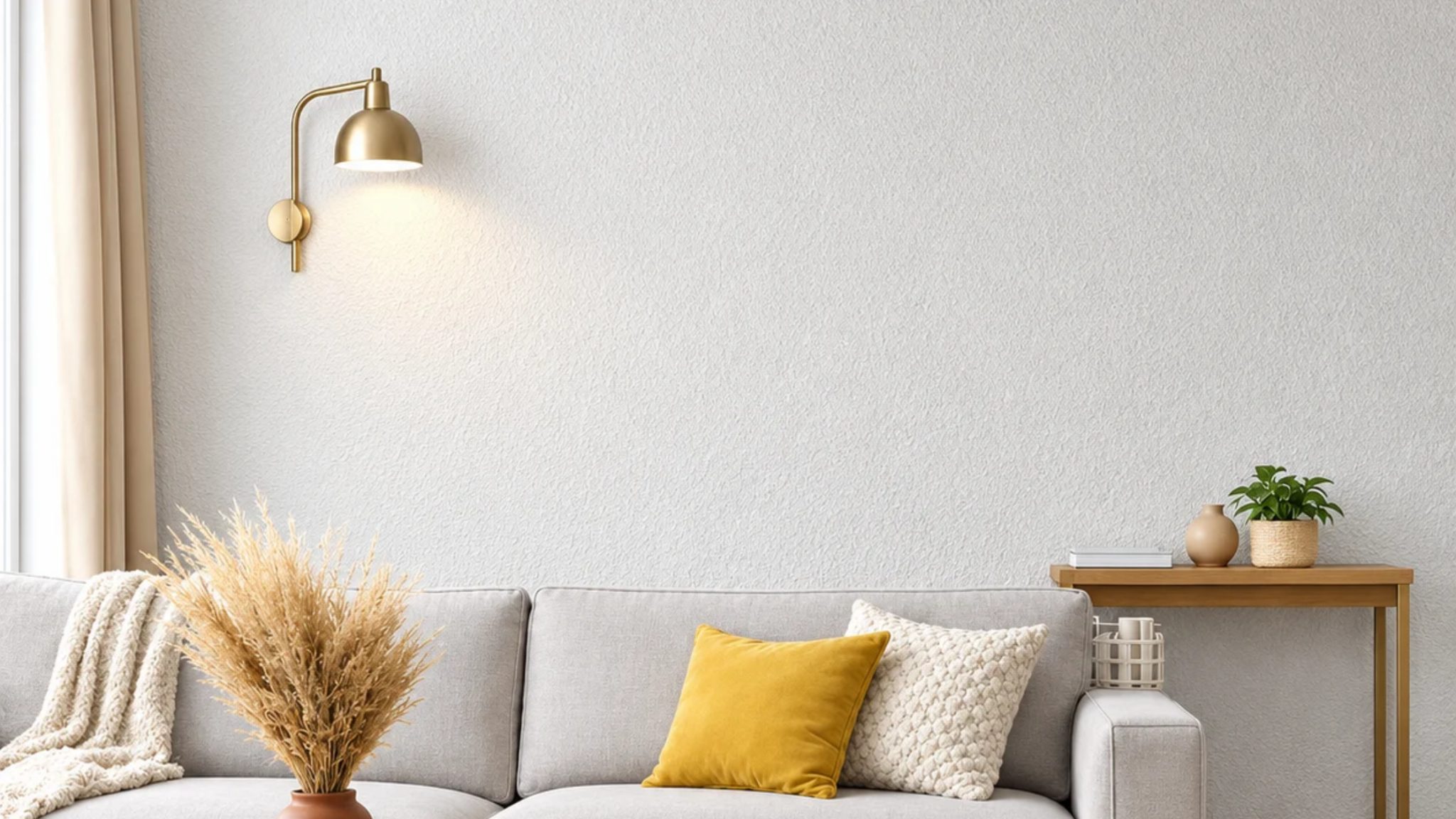
Limewash looks soft, chalky and a little bit old-world, so people assume it must be fussy to live with. If you're comparing textured wall paint Singapore options for your home, that worry comes up almost every time. At Tintin Painting, we hear it on site visits all the time: “It looks lovely, but will I be babying these walls forever?”
The short answer is no, but limewash does have its own habits. Once you know them, it's easier to look after than most people expect.
What Limewash Actually Is
Limewash is made from slaked lime and water, with natural pigments mixed in. It isn't a film that sits on top of your wall like a regular emulsion. It soaks in and bonds with the surface, which is why the colour looks cloudy and layered rather than flat.
That's the part people love. It's also the part that explains the maintenance. Because the finish is porous, it behaves differently from a washable acrylic paint.
How It Handles Singapore's Humidity
Our weather is rough on the walls. Warm air, heavy rain and indoor moisture from cooking and showers are a daily reality, whether you live in a condo, a landed house or an HDB flat in Singapore.
Here's the good news. Lime is naturally alkaline, and that makes it hard for mould to settle in. It also lets the wall breathe, so moisture can escape instead of getting trapped behind a plastic-like layer. Many owners find limewashed living rooms and bedrooms stay fresher than they expected.
The catch is water contact. Limewash doesn't love being splashed or soaked. A damp wall that's already leaking won't be fixed by limewash either. If there's a seepage problem behind the wall, sort that out first, or the patchy marks will return.
Day-to-Day Cleaning
Honestly, this is the easy bit. For normal living areas:
- Dust it with a dry, soft brush or a microfibre cloth every few weeks.
- For a small mark, dab gently with a barely damp sponge. Don't scrub.
- Skip harsh cleaners and bleach. They can strip the pigment and leave a pale patch.
The rule of thumb is gentle and quick. If you treat it like you'd treat a wooden table, not a kitchen tile, you'll be fine.
Where things get tricky is high-contact spots. A hallway wall where kids drag backpacks, or the area beside a sofa where hands rest, will pick up scuffs sooner than a quiet bedroom wall. That's a placement question more than a maintenance one, and we usually plan around it before any brush touches the wall.
Touch-Ups and Repainting
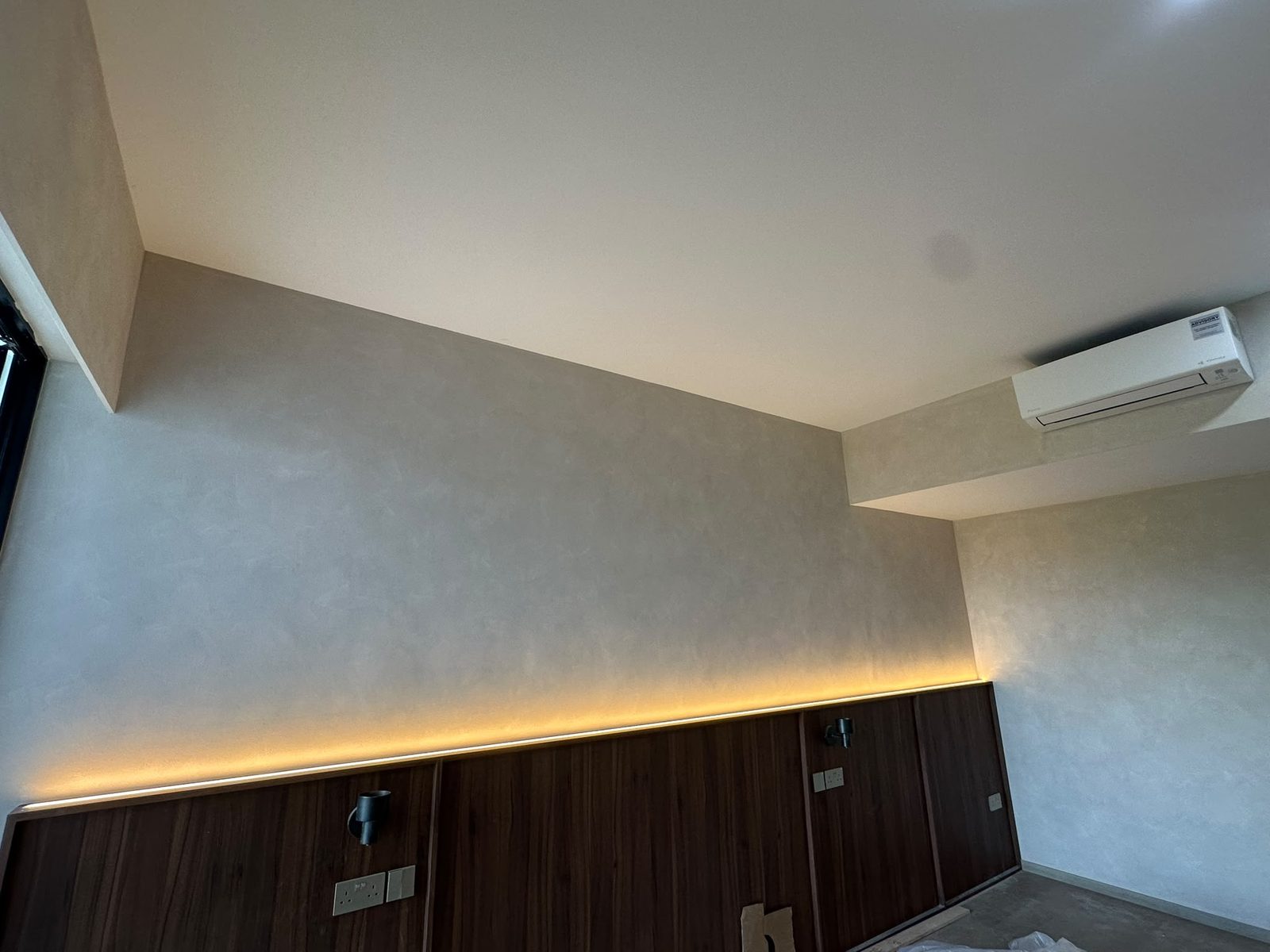
This is where limewash quietly beats a lot of other finishes. Since the look is meant to be uneven, small repairs blend in naturally. You don't need a perfectly matched sheen or a flawless edge. A painter can lightly re-apply the wash over a mark, feather it outward, and it disappears into the texture.
Compare that with a flat painted wall, where one touch-up patch can show up like a thumbprint in the right light.
As for full repainting, a well-applied limewash can last for years before it looks tired. How long depends on the room, the sunlight and how much the wall gets touched. When it's time, the wall can often be refreshed with another coat instead of being stripped back, which keeps the cost reasonable.
Where Limewash Works Best (and Where It Doesn't)
Works well
- Living rooms and dining areas
- Bedrooms and feature walls
- Study rooms and quiet corridors
- Dry, well-ventilated exterior walls with the right sealer
Think twice
- Bathrooms and shower walls
- Kitchen walls close to the stove or sink
- Anywhere with constant water splash
Some owners add a breathable protective sealer to improve stain resistance, but it can slightly change the soft, matte look. It's a trade-off, and it's worth talking through before you commit. For a room-by-room comparison, see limewash vs texture paint.
How It Compares With Microcement
People often ask us whether they should pick limewash or microcement in Singapore. They're different tools.
Microcement is a thin, cement-based coating that's tough, seamless and suited to wet areas such as bathrooms, kitchen counters and floors. It handles water and traffic far better than limewash. The look is smoother and more modern, though, and it usually costs more. See our microcement service if that's the route you're considering.
Limewash is the warm, softer choice for walls that don't see much water. Plenty of homes use both: microcement where it needs to work hard, limewash where you want atmosphere.
So, Is It High Maintenance?
Not really. It's low-effort in daily life, forgiving when you touch it up, and good with our humid climate. It simply asks you to be gentle and to keep it away from constant water. If you're after a calm, textured look and you're happy to wipe lightly instead of scrubbing, it's a very liveable finish.
If you're planning a refresh, our team offers home painting services Singapore homeowners can book for everything from a single feature wall to a full-unit makeover. We'll check the wall condition first, tell you honestly if limewash suits the space, and suggest alternatives if it doesn't. You can also read whether limewash is worth it for HDB flats, or browse our limewash and textured finishes.
Frequently Asked Questions
Can I limewash an HDB flat in Singapore?
Yes. Most HDB walls take limewash well once they're properly prepped, cleaned and primed with a suitable base. We'd avoid wet zones like the bathroom and the wall right behind the kitchen sink.
Does limewash mould easily in humid weather?
It's actually fairly resistant because of its natural alkalinity. Mould usually points to a moisture source, such as a leak or poor ventilation, and that has to be fixed no matter what paint you use.
Can I wash limewash with water?
Only lightly. A soft, barely damp sponge on a small mark is okay. Heavy scrubbing can lift pigment and leave a patch.
How often will I need to repaint?
There's no fixed number. Quiet rooms can go for years. Busy walls may need a refresh sooner. A touch-up now and then usually keeps it looking good.
Is limewash more expensive than normal paint?
Usually, yes, because it takes more skill and more coats. The labour is the bigger part of the price, not the material.
Is limewash safe for kids and pets?
It's mineral-based and generally low in VOCs, which many families like. Still, ask about the specific product used and allow proper curing and ventilation after application.
Thinking about limewash for a living room or feature wall? WhatsApp us a photo of the space. We'll tell you honestly whether it suits the room, then come down for a free site visit.
WhatsApp Us